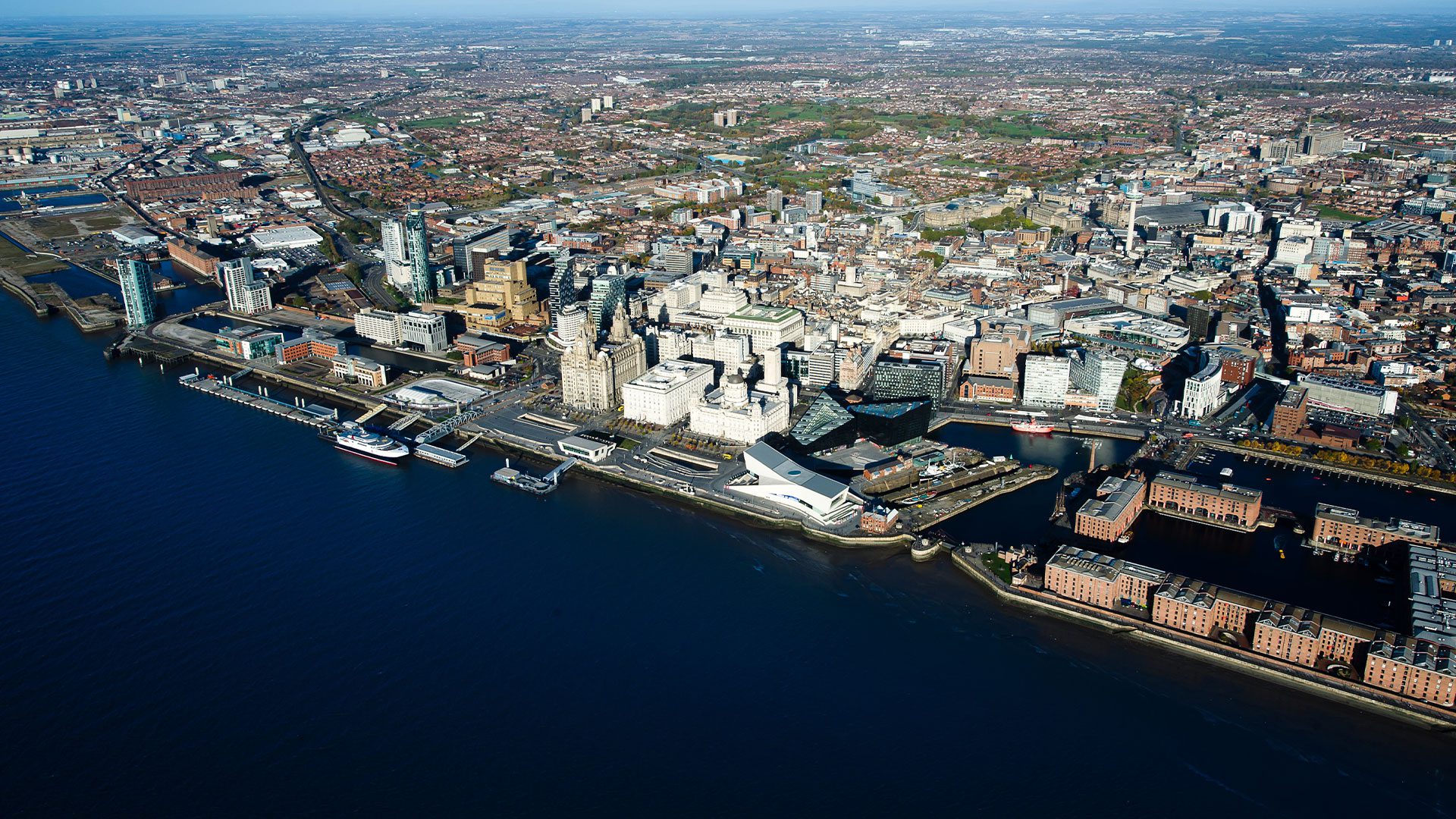
Liverpool Property Investment has become an attractive option for buyers seeking long-term opportunities in the UK property market.
Liverpool Property Investment has become an attractive option for buyers seeking long-term opportunities in the UK property market. With a strong cultural identity, growing employment sectors, established universities and continuous regeneration, Liverpool offers several advantages for both domestic and international investors.
The city provides a diverse range of residential properties, including modern city-centre apartments, family homes, student accommodation and developments located near regeneration zones. However, successful property investment in Liverpool requires more than selecting an attractive building. Investors must evaluate rental demand, location quality, property management, legal responsibilities and long-term market potential.
This guide explains the key benefits of Liverpool Property Investment and the important factors investors should consider before purchasing a property.
Why Consider Liverpool Property Investment?
Liverpool is one of the most recognised cities in the north-west of England. It has developed into a major centre for education, healthcare, tourism, technology, logistics, professional services and creative industries.
These sectors support a wide tenant base that includes students, graduates, young professionals, families, healthcare employees and people relocating for work. Properties positioned close to universities, employment centres, transport links and essential services may therefore experience steady rental interest.
Liverpool also offers different investment approaches. Some investors prefer city-centre apartments designed for professionals, while others target suburban houses suitable for families. Student-focused developments and properties located near regeneration projects provide additional options.
The main advantages of Liverpool Property Investment include:
- Strong demand from students and professionals
- A wide range of residential property types
- Established transport and business connections
- Major regeneration across several districts
- Demand for both central and suburban homes
- Opportunities for long-term portfolio diversification
These advantages can make Liverpool suitable for investors who want to enter or expand within the UK property market.
A Diverse and Resilient Tenant Market
Rental demand is one of the most important considerations when selecting an investment property. Liverpool benefits from several tenant groups rather than depending on one type of renter.
The city is home to major universities and educational institutions that attract students from the UK and overseas. Many graduates remain in Liverpool after completing their studies, creating continued demand for quality rental homes.
Professionals employed in healthcare, digital services, education, finance, hospitality and creative industries also contribute to the rental market. In established residential communities, families may prefer larger properties with access to schools, supermarkets, parks and public transport.
A diverse tenant market can help reduce vacancy risks. However, investors should still research demand at street and development level because tenant preferences can vary significantly between neighbourhoods.
Popular Areas for Property Investment in Liverpool
Choosing the right location is essential for successful Liverpool Property Investment. Different areas appeal to different tenant profiles and investment strategies.
Liverpool City Centre
Liverpool city centre is popular with professionals, graduates and tenants who value access to employment, entertainment, shopping and public transport. Apartments with practical layouts, modern facilities and strong building management may appeal to people seeking convenient urban living.
Investors considering city-centre apartments should carefully assess service charges, lease conditions, building maintenance and the number of competing rental properties nearby.
The Baltic Triangle
The Baltic Triangle is known for its creative businesses, independent venues, digital companies and modern residential developments. Its character may appeal to young professionals and tenants looking for a contemporary urban lifestyle.
However, investors should examine noise levels, nearby development activity, parking arrangements and access to public transport before purchasing.
The Knowledge Quarter
The Knowledge Quarter benefits from universities, hospitals, research centres and innovation-led organisations. Properties in and around this area may attract students, researchers, healthcare professionals and academic employees.
Investors targeting this market should focus on property quality, convenient transport and proximity to major institutions.
Liverpool Waterfront
Liverpool’s waterfront is one of the city’s most recognisable locations. Residential developments in waterfront areas may attract professionals and tenants who value city views, modern amenities and access to leisure destinations.
When evaluating waterfront property, buyers should review building management, maintenance responsibilities, lease terms and future construction in the surrounding area.
South Liverpool
South Liverpool includes established communities that may suit families and long-term tenants. Access to schools, green spaces, shopping facilities and transport connections can support residential demand.
Houses in established suburban locations may provide a different investment strategy from city-centre apartments, particularly for investors focused on longer tenancies.
The Role of Regeneration in Liverpool
Regeneration is a major part of the Liverpool Property Investment story. New housing, commercial development, upgraded public spaces and improvements to transport infrastructure can increase the appeal of surrounding neighbourhoods.
However, regeneration should not be treated as a guarantee of investment performance. Some projects may take many years to complete, while others may change during the planning and construction process.
Before investing near a regeneration zone, buyers should investigate:
- Whether planning permission has been confirmed
- The expected development timeline
- Public and private investment in the area
- New transport or infrastructure improvements
- Existing rental demand rather than projected demand alone
- Potential construction disruption
- Future residential supply in the neighbourhood
The strongest investment locations generally combine regeneration potential with existing amenities and genuine tenant demand.
Choosing the Right Investment Property
A property should match the investor’s personal objectives, financial position and preferred level of involvement. Some investors prioritise regular rental income, while others focus on long-term capital growth or portfolio diversification.
Before purchasing, investors should review:
- Local rental demand and tenant demographics
- Distance from employment centres and universities
- Transport links and walkability
- Property condition and maintenance requirements
- Lease length and service charges
- Developer or vendor track record
- Local planning applications
- Property management requirements
- Licensing and regulatory obligations
- Potential resale demand
Investors should avoid selecting a property based only on promotional material or estimated returns. Independent research, comparable rental evidence and professional due diligence are essential.
New-Build or Existing Property?
Both new-build and existing properties can offer benefits for Liverpool Property Investment.
New-build properties may provide modern interiors, energy-efficient systems, lower initial maintenance requirements and amenities that appeal to professional tenants. Buyers may also have more time to prepare for completion when purchasing during construction.
Existing properties allow investors to inspect the completed home, review its condition and examine established rental demand. However, older properties may require refurbishment, ongoing repairs or energy-efficiency improvements.
The most suitable option depends on the investor’s strategy, timeline, risk tolerance and management preferences.
Important Due Diligence Before Investing
Property investment involves financial and legal responsibilities. Investors should complete comprehensive checks before making a commitment.
Important due diligence includes:
- Appointing an independent solicitor
- Reviewing the title and property documents
- Checking lease terms for apartments
- Confirming service charges and management arrangements
- Arranging an appropriate property survey
- Reviewing planning applications nearby
- Understanding tax responsibilities
- Confirming mortgage or funding requirements
- Researching local rental comparisons
- Evaluating realistic maintenance and vacancy costs
International investors should also seek independent legal, financial and tax advice relating to UK property ownership.
How Legacy Investment Consultancy Supports Investors
Legacy Investment Consultancy helps buyers explore Liverpool Property Investment opportunities that match their objectives. Rather than using a one-size-fits-all approach, the consultancy helps investors compare locations, property types and development characteristics.
The team at Legacy Investment Consultancy can support clients with market research, property selection, development comparisons and investment planning. This guidance can be particularly useful for overseas buyers who may be unfamiliar with the Liverpool property market.
Legacy Investment Consultancy also helps investors look beyond marketing claims by considering location fundamentals, rental demand, property quality and long-term suitability.
By working with Legacy Investment Consultancy, buyers can approach Liverpool investment opportunities with greater clarity and a structured decision-making process.
Frequently Asked Questions
Is Liverpool Property Investment suitable for beginners?
Liverpool can be suitable for first-time investors because it offers different property types and tenant markets. Beginners should still complete detailed research and obtain independent professional advice before purchasing.
What types of property are available in Liverpool?
Investors can consider city-centre apartments, suburban houses, student accommodation, new-build developments and properties near regeneration districts.
Which tenants usually rent in Liverpool?
Liverpool attracts students, professionals, graduates, healthcare employees, families and people relocating for employment or education.
Are city-centre apartments a good investment?
City-centre apartments may attract professional tenants, but investors should examine service charges, lease terms, management quality and competing rental supply.
Is regeneration important when selecting a location?
Regeneration can improve an area’s long-term appeal, but investors should focus on confirmed projects, realistic timelines and existing rental demand.
Conclusion
Liverpool Property Investment offers access to a city supported by education, employment, culture, regeneration and a diverse rental market. From modern city-centre apartments to established family neighbourhoods, Liverpool provides options for different investment strategies.
However, successful investing depends on careful property selection, realistic expectations and comprehensive due diligence. Investors should evaluate local demand, building quality, ownership costs and long-term resale potential before making a decision.
More Articles

Best High ROI New-Build Properties in London
London continues to rank among the world’s most attractive property markets. It offers investors meaningful opportunities for long-term capital growth alongside steady rental income.

UK Retail Property Investment 2026
UK Retail Property Investment 2026 continues to attract investors seeking income-producing commercial assets in selected UK locations.