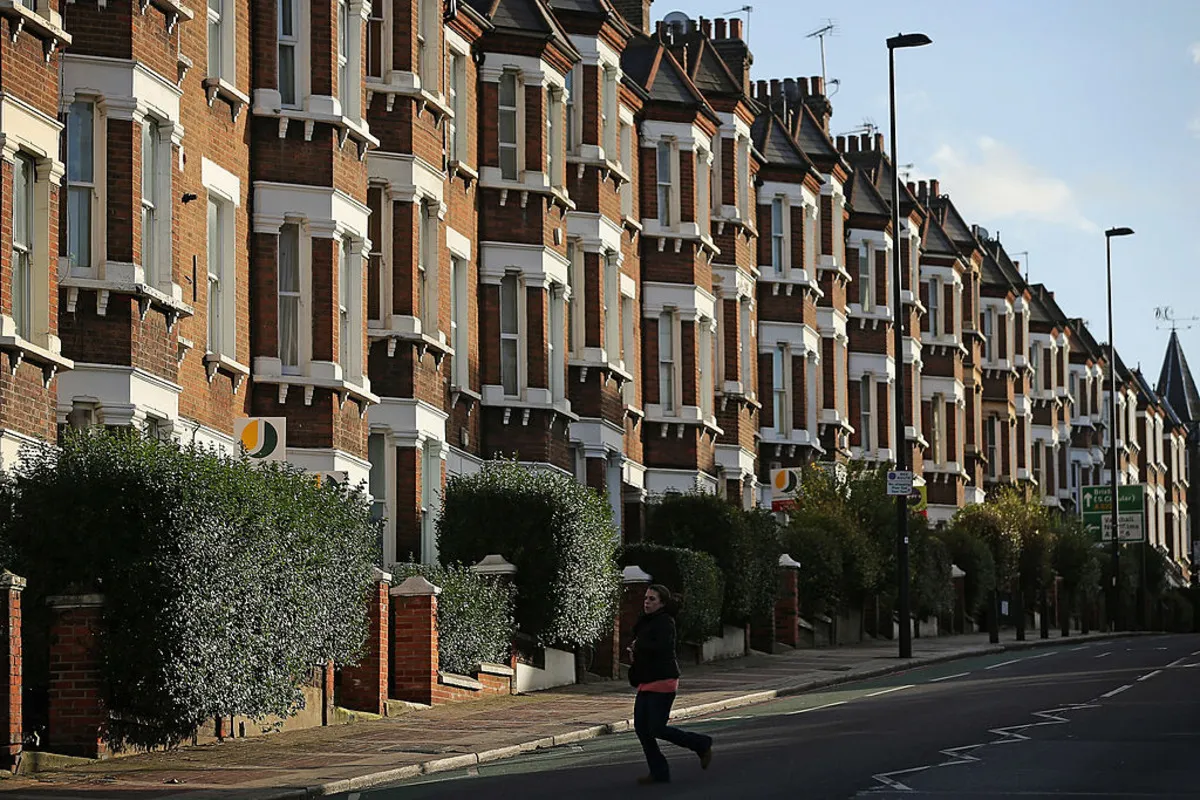
London’s property market has long been a symbol of stability, global investment, and aspirational living. In recent years, however, the city has witnessed a significant surge in property prices, affecting both buyers and investors alike.
London’s property market has long been a symbol of stability, global investment, and aspirational living. In recent years, however, the city has witnessed a significant surge in property prices, affecting both buyers and investors alike. Understanding the dynamics behind these rising property prices in London is essential for anyone looking to enter or expand in the real estate market.
From young professionals dreaming of owning their first flat to international investors seeking secure assets, the upward trend has created both opportunities and obstacles. London continues to draw people from around the world due to its economic strength, cultural richness, and reputation as a safe-haven investment destination. Yet, with housing supply struggling to keep pace with demand, prices have climbed steadily across many boroughs. This detailed guide examines the main causes, standout areas, implications for different groups, effective strategies, and special considerations for overseas buyers. By the end, readers will have a clearer picture of how to approach the market amid ongoing rising property prices in London.
Factors Driving Rising Property Prices in London
Several key factors have contributed to the consistent rise in property prices across London. These elements combine to create sustained upward pressure on values in both prime and emerging locations.
High demand remains one of the strongest forces in the market. London continues to attract domestic and international buyers seeking security, lifestyle, and long-term value. The limited availability of new housing stock further intensifies this pressure, particularly in desirable central and well-connected areas where land for development is scarce.
Foreign investment plays a significant role as well. Overseas investors often view London real estate as a stable and prestigious asset class, especially during periods of global economic uncertainty. This influx of capital increases competition and supports higher price levels.
Economic growth and abundant job opportunities also contribute substantially. As a global hub for finance, technology, creative industries, and professional services, London draws a skilled workforce with strong purchasing power. This professional migration sustains demand for both ownership and rental properties.
Historically low interest rates have enabled more buyers to enter the market by making mortgages more affordable, thereby boosting overall demand. Additionally, large-scale urban regeneration projects have transformed previously underutilised neighbourhoods, enhancing their attractiveness and driving up local property values.
Government policies and tax measures continue to shape market dynamics. Reforms to stamp duty, rules targeting foreign investors, and support schemes for first-time buyers can either accelerate or moderate price growth depending on their design and implementation.
- High Demand, Limited Supply: Persistent buyer interest combined with slow delivery of new homes keeps the market tight.
- Foreign Investment: International capital views London as a safe, high-value asset.
- Economic Growth and Job Opportunities: World-class employment hubs attract high-earning professionals.
- Low-Interest Rates: Favourable borrowing conditions increase buyer participation.
- Urban Regeneration Projects: Major infrastructure and development schemes uplift entire districts.
- Government Policies and Taxes: Policy changes influence buyer behaviour and market sentiment.
These drivers collectively explain why rising property prices in London have become a defining characteristic of the city’s real estate landscape.
Areas Experiencing Significant Price Growth
Property price growth in London is not uniform. Certain neighbourhoods have recorded notably stronger increases due to regeneration activity, improved connectivity, and shifting buyer preferences.
Central London
Prime districts such as Kensington, Chelsea, and Mayfair continue to attract luxury buyers and ultra-high-net-worth individuals. These areas maintain robust price growth supported by exclusivity, world-class amenities, and status.
East London
Areas like Stratford and Hackney have benefited enormously from infrastructure projects, Olympic legacy developments, and proximity to major business districts. They appeal strongly to younger professionals and families seeking modern living spaces.
South London
Boroughs including Croydon and Wimbledon have seen rising interest thanks to enhanced transport links, new residential developments, and a better balance between lifestyle amenities and relative affordability.
West London
Locations such as Hammersmith and Ealing remain popular with professionals and families who value good schools, green spaces, and strong transport connections into central London.
- Central London: Kensington, Chelsea, and Mayfair – luxury demand drives premium pricing.
- East London: Stratford and Hackney – regeneration and connectivity fuel rapid growth.
- South London: Croydon and Wimbledon – transport improvements boost appeal.
- West London: Hammersmith and Ealing – family-friendly and well-connected neighbourhoods.
Buyers looking for value often explore these varied micro-markets where rising property prices in London present different opportunities depending on budget and investment horizon.
Implications for Buyers and Investors
The ongoing rising property prices in London create distinct challenges and opportunities for different market participants.
For first-time buyers, higher entry prices mean larger deposits and more careful financial planning are necessary. Many must consider shared ownership schemes, longer mortgage terms, or looking slightly further from the centre to achieve homeownership.
Investors, on the other hand, can benefit from strong capital appreciation potential. Properties in high-demand areas often deliver attractive long-term returns, while strong rental demand supports healthy yields for buy-to-let portfolios.
Sellers currently enjoy favourable conditions, with rising prices creating opportunities to achieve premium valuations, especially in neighbourhoods undergoing regeneration.
However, market volatility remains a consideration. Rapid price increases can sometimes precede corrections, making thorough risk assessment essential before committing significant capital.
- First-Time Buyers: Need larger deposits and strategic location choices.
- Investors: Capital growth and rental income potential remain strong.
- Sellers: Opportunity to realise gains in a rising market.
- Market Volatility: Possibility of corrections requires careful planning.
Strategies to Navigate the Rising Market
Despite the challenges posed by rising property prices, several proven strategies can help buyers and investors succeed in London’s competitive environment.
Focusing on emerging neighbourhoods that are poised for future regeneration often provides better value and stronger capital growth prospects over the medium to long term. Long-term investment thinking is crucial, as London property has historically appreciated significantly over decades rather than short-term cycles.
Diversifying across property types – such as apartments, townhouses, and mixed-use developments – can help spread risk effectively. Working with experienced property consultants and financial advisors ensures decisions are aligned with current market trends and individual circumstances.
- Focus on Emerging Neighborhoods: Target areas with upcoming infrastructure for growth potential.
- Consider Long-Term Investments: Benefit from London’s historical appreciation pattern.
- Diversify Property Types: Reduce risk through a balanced portfolio.
- Leverage Professional Advice: Expert guidance improves decision quality.
Key Considerations for International Buyers
London remains highly attractive to international buyers seeking stable, high-value assets. However, several important factors require careful attention.
Legal and tax regulations differ for non-residents, making professional advice essential before purchase. Financing options can be more restrictive for international buyers, often requiring higher deposits and stricter lending criteria. Currency fluctuations between the buyer’s home currency and the British pound can significantly impact overall returns and should be factored into financial planning.
Benefits of Investing Amid Rising Prices
While rising property prices can make market entry more challenging, the advantages of investing in London remain compelling. Capital appreciation over time continues to reward patient investors. Strong rental demand from both professionals and students ensures consistent income for landlords. London property is widely regarded as a safe-haven asset during periods of global uncertainty. Ongoing infrastructure improvements, such as Crossrail and other transport projects, further enhance long-term desirability and value.
Conclusion
Rising property prices in London reflect the city’s enduring global appeal, economic strength, and limited supply. While the market presents challenges, particularly for first-time buyers, it also offers substantial opportunities for informed investors and sellers. By understanding key drivers, focusing on the right locations, and adopting sound long-term strategies, participants can successfully navigate London’s dynamic property landscape. As the city continues to evolve through regeneration and infrastructure development, its real estate market is likely to maintain its position as one of the world’s most resilient and prestigious investment destinations.
FAQs About Rising Property Prices in London
Q1: Why are London property prices rising so rapidly?
Limited housing supply, sustained foreign investment, low interest rates, and strong economic growth are the primary drivers behind rising property prices in London.
Q2: Which areas in London are experiencing the highest price growth?
Central areas like Kensington and Chelsea, East London zones such as Stratford and Hackney, South London boroughs including Croydon and Wimbledon, and West London locations like Hammersmith and Ealing show notable growth.
Q3: Are rising property prices a good opportunity for investors?
Yes, strong demand, capital appreciation potential, and healthy rental yields make London property attractive for long-term investment despite higher entry prices.
Q4: How can first-time buyers cope with rising prices?
First-time buyers should explore emerging neighbourhoods, utilise government support schemes, save for larger deposits, and seek professional financial advice.
Q5: What should international buyers know before investing in London?
International buyers must understand UK legal and tax rules, prepare for stricter mortgage requirements, and account for currency fluctuations when investing amid rising property prices in London.
More Articles

Best High ROI New-Build Properties in London
London continues to rank among the world’s most attractive property markets. It offers investors meaningful opportunities for long-term capital growth alongside steady rental income.

UK Retail Property Investment 2026
UK Retail Property Investment 2026 continues to attract investors seeking income-producing commercial assets in selected UK locations.